Pages

Tuesday, October 22, 2013

Isabel the Horse Whisperer

I think I've mentioned in previous posts that Isabel has become increasingly obsessed with horses since we've arrived in Nicaragua.  Its morphed from just wanting to ride in the horse and carriages everyday to wanting to ride a actual horse everyday (and of course wanting us to buy her a horse and keep it in the house).   Despite our fears and her young age, we've increasingly let her ride more and more when we have the chance because she just loves it so much.  I think also seeing so many Nicaraguan children riding large horses alone, both with saddle and bareback, and having drunk the "Nicaraguan tranquilo kool-aide" we have relaxed our safety standards and eased our fears.

So, in honor of Isabel's love of horses, I thought I'd dedicate a post to her and the various horse experiences she's had so far.

One of the first rides at the lookout over Laguna de Apoyo.

The same day, after insisting that she ride alone.  They do 5 min rides through the woods.

On a trip to Miraflor Nature Reserve.  We actually rode a couple of hours to a waterfall. 
Much to her dismay, she had to be on one of our horses the whole time (rather than alone). 

Her favorite horse at the finca and on the ride to the waterfall.  It happened to be the one I was
riding so I got the pleasure of her sitting with me most of the trip (not comfortable
if you were wondering).
We went to check out horses before a big horse parade here (future post)
and the guy let her get on for a while.  So friendly here...

One of the horses getting ready for the parade.  His/her mane is braided
so Isabel wanted a picture.
Spent the weekend at a finca in Diriombo and Isabel got her first "lesson".
She now insists she knows how to ride and can go alone.


Don't know if you can see very well, but there were two new foals
 on the finca. Such a cool experience for Isabel.  One was only 8 days old.

Isabel leading the way with her friend Nadia in the saddle.

One of her birthday presents while we were in El Salvador was a
half an hour ride at a stable near Raul's family's house.

Most recently, she got to ride a horse on the beach.  Very thrilling for her
as she had never done that before.

Saturday, September 28, 2013

Ometepe Island

Once again I've been very negligent in my blogging duties--my apologies.  I realize that I haven't really posted anything about the various trips we've taken inside Nicaragua so I want to try to catch up on some of those.  Since I loved it so much, I thought I'd start with our trip to Ometepe Island.

When our friends Kelly and Giles were here visiting in July, we rented a 4x4 and travelled to the beach near San Juan del Sur for 4 nights, and then moved on to Ometepe for 2 nights.  Ometepe is an island in Lake Nicaragua (Cocibolco) that has two large volcanoes on it. Concepción is the larger, active, cone-shaped volcano on the northern half of the island, and Maderas is the extinct volcano on the southern half.


The smaller Maderas volcano.

Concepcion Volcano from the ferry.
 
To get to Ometepe you must take a ferry.  It costs about $2/person, plus around $20 for the car. There is one that leaves from Granada port, but it takes about 4-5 hours and riding that long on any boat is in no way appealing to me, especially a small one.  Instead, we drove down to San Jorge (a little more than an hour) and got the ferry from there. There are different carriers--we took the one that has the best reputation for safety and comfort.  The ferry carries vehicles and cargo as well as passengers.  It had three levels and was plenty comfortable, with lovely views.  We all had a great time on the 1 hour crossing (after I took my motion sickness medicine of course).
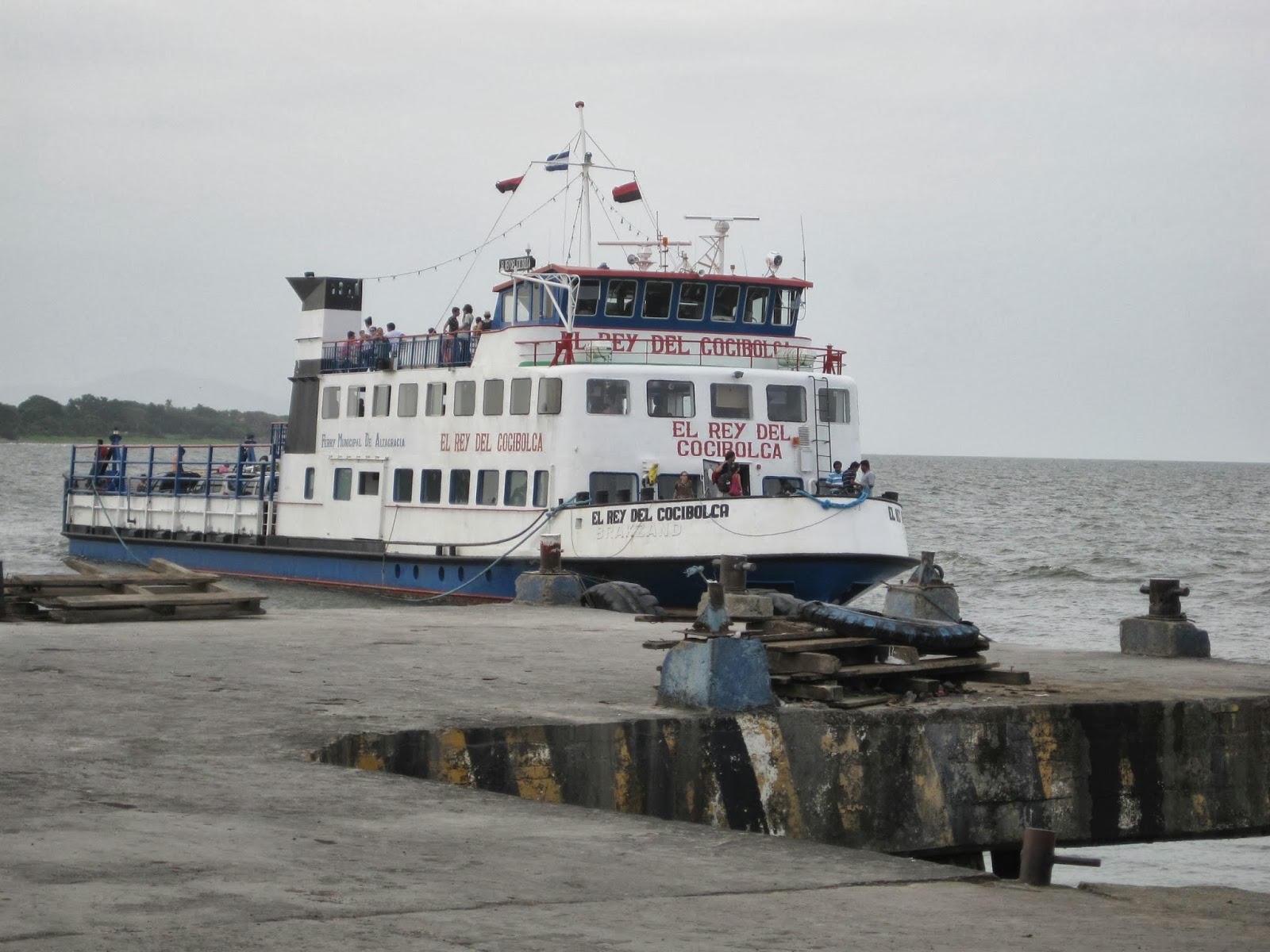
The ferry docking.

Loading up the ferry.

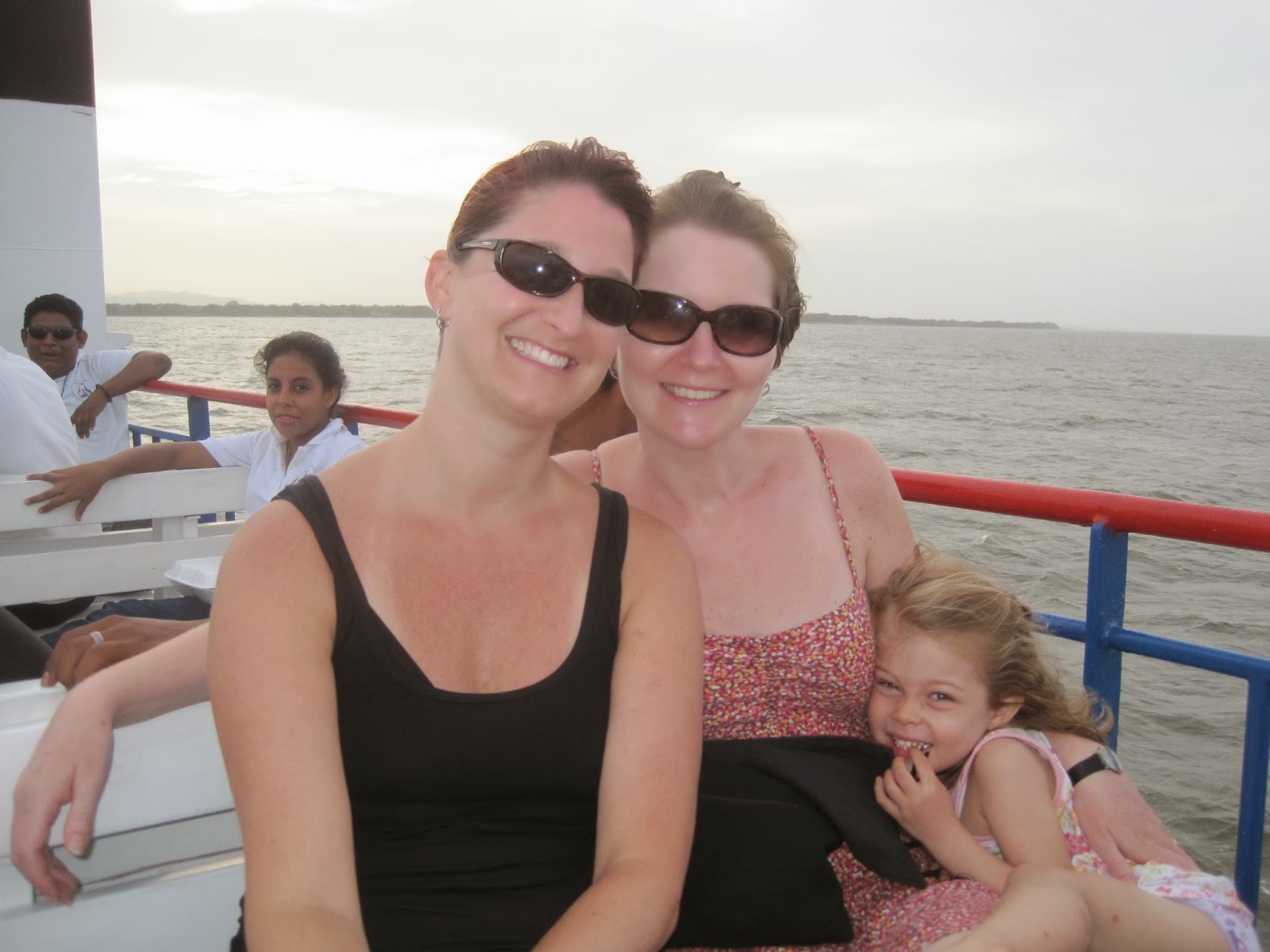
Me, Kelly, and Isabel.

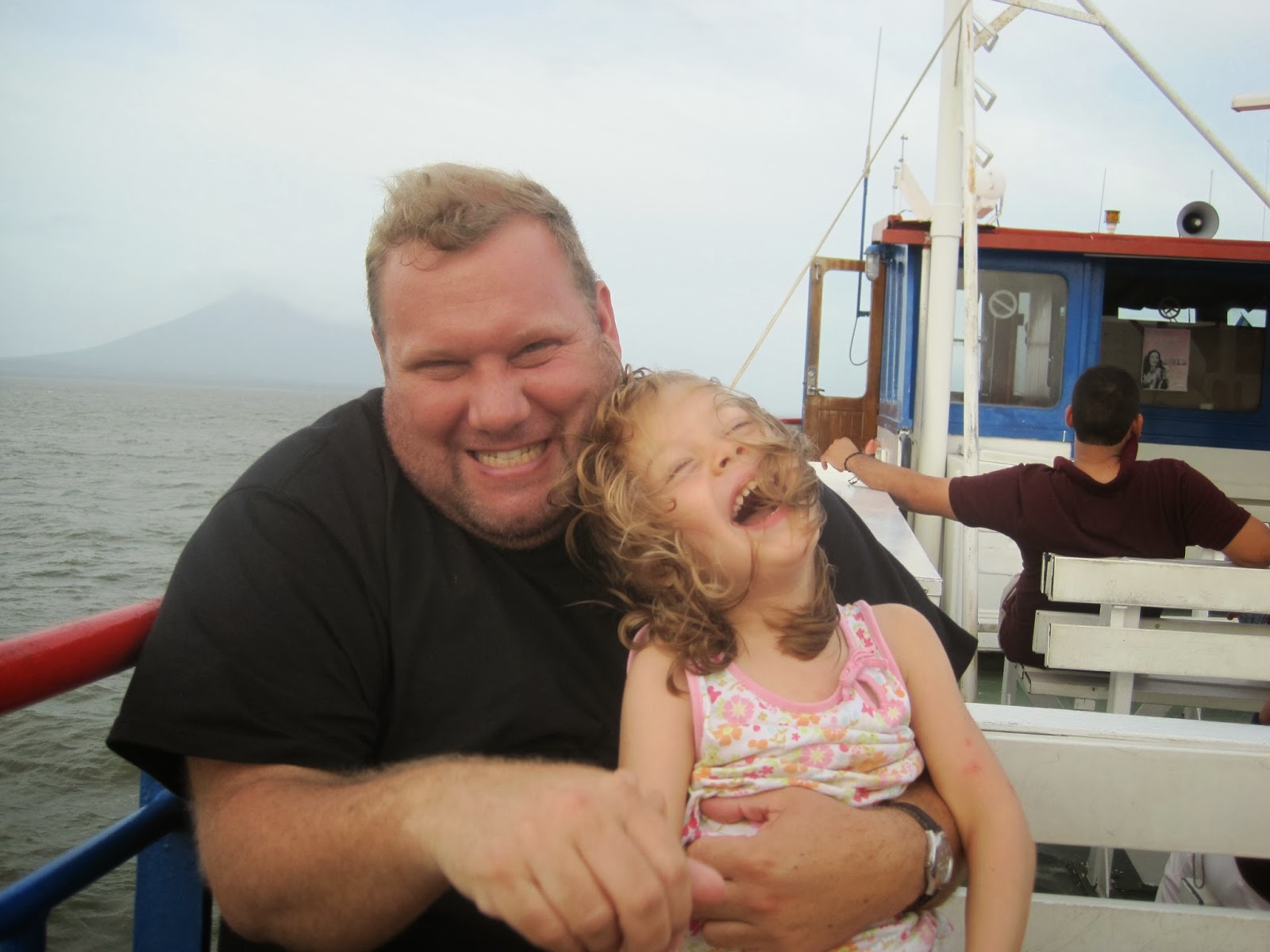
Giles and Isabel.  You can see Concepcion in the background.

Life on the island feels like its from another time.  It is still pretty undeveloped, though I believe there is electricity reaching most places now, and is absolutely gorgeous. Its just lush and green, full of vegetation. There is only one road that goes around the island (about 3/4 paved) and most locals are on horseback, ox and carts, or bicycles. Everyone is very friendly and happy to converse and assist.  There are a couple small "towns", and 2 ATMs (it might be up to 4 by now). I would love to spend a good chunk of time there.

We drove out to a finca/farm for a hike to see ancient petroglyphs (the oldest on the island dates back to 1000 b.c. apparently), and had the luck to see a bunch of howler monkeys. There were also hundreds of butterflies--it was gorgeous. 
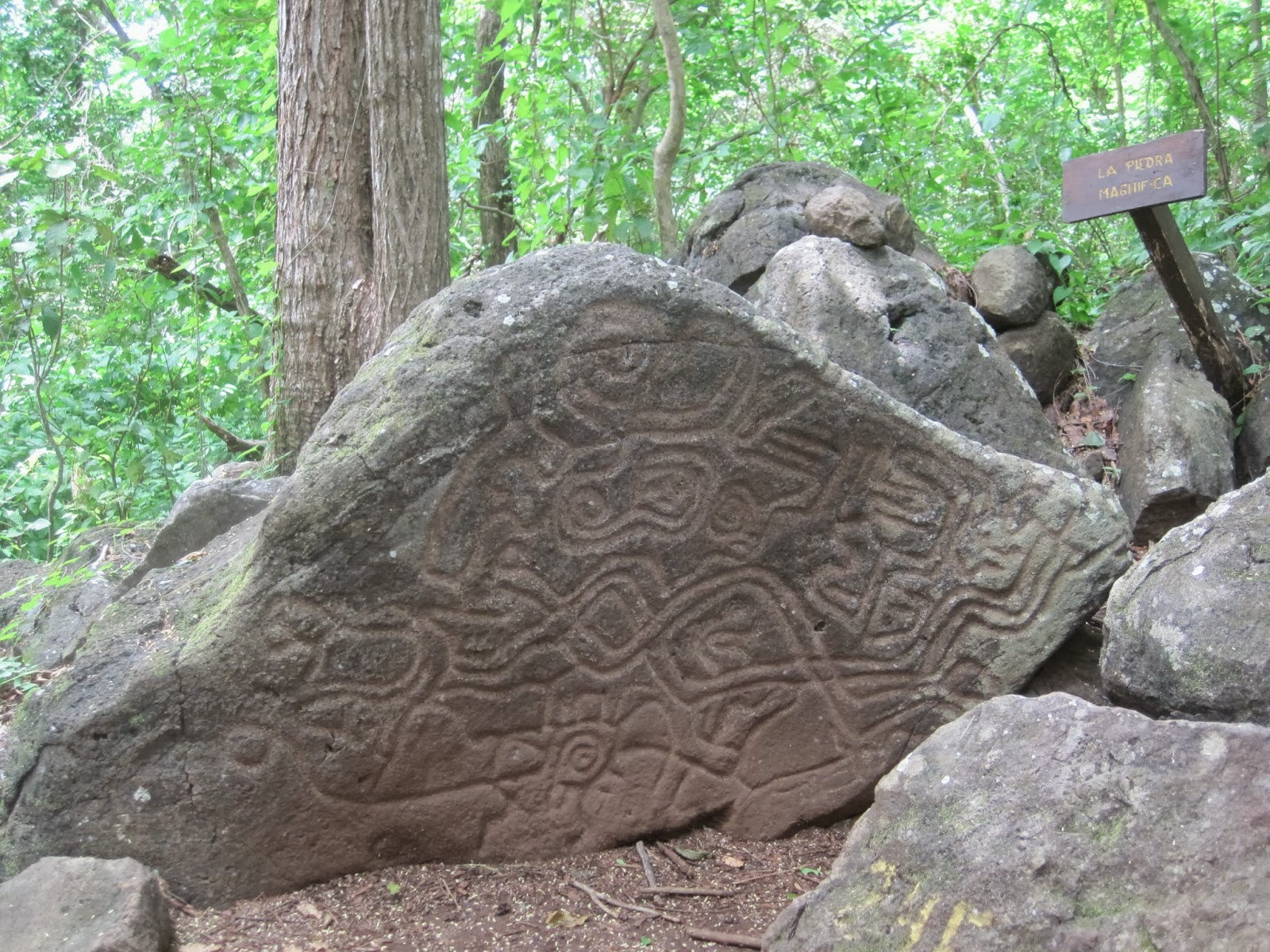
One of the petroglyphs.  I do not remember how old this one is.


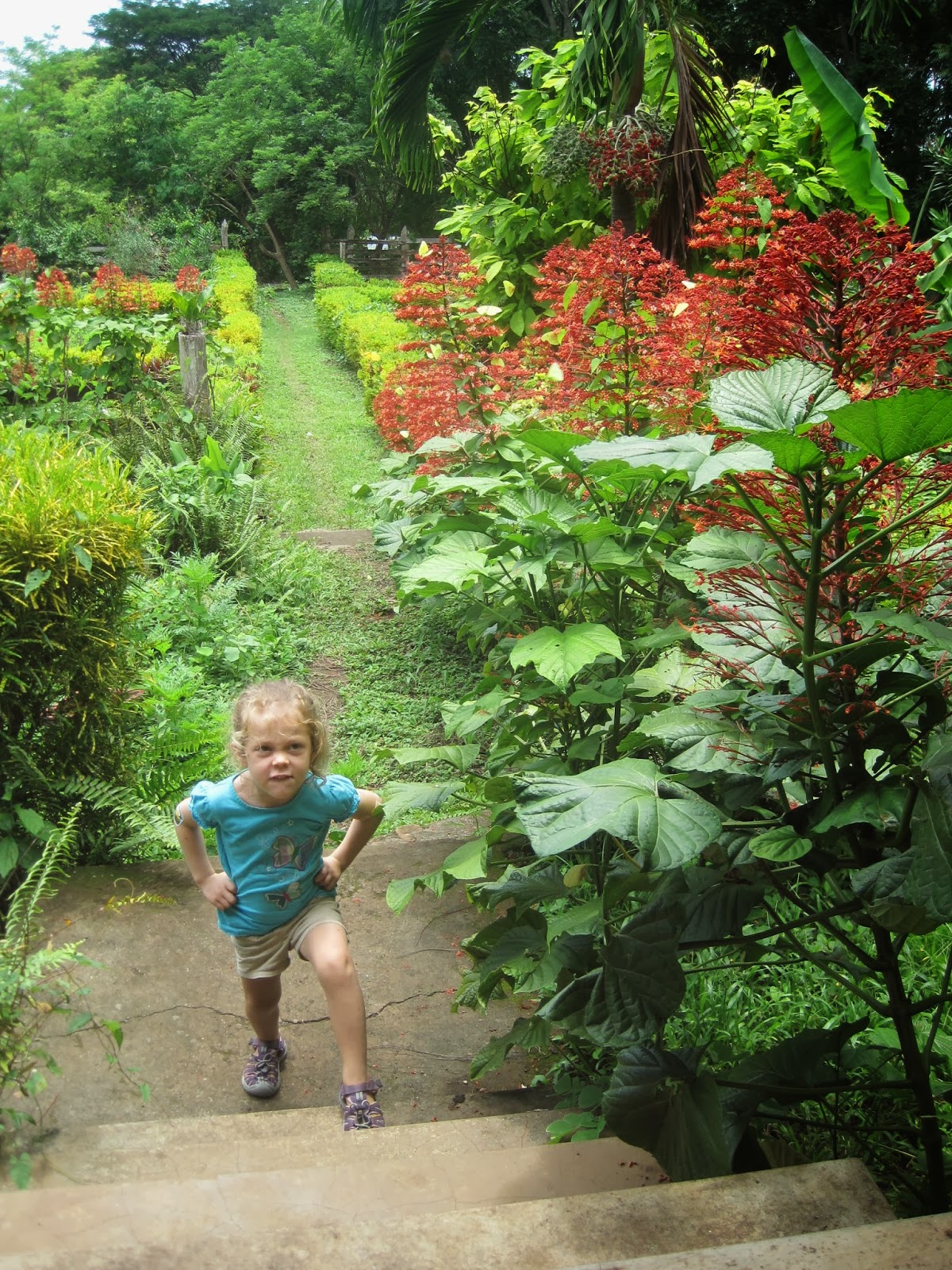
Very hard to tell, but there are yellow butterflies all over the place.  Not sure about the cranky face.
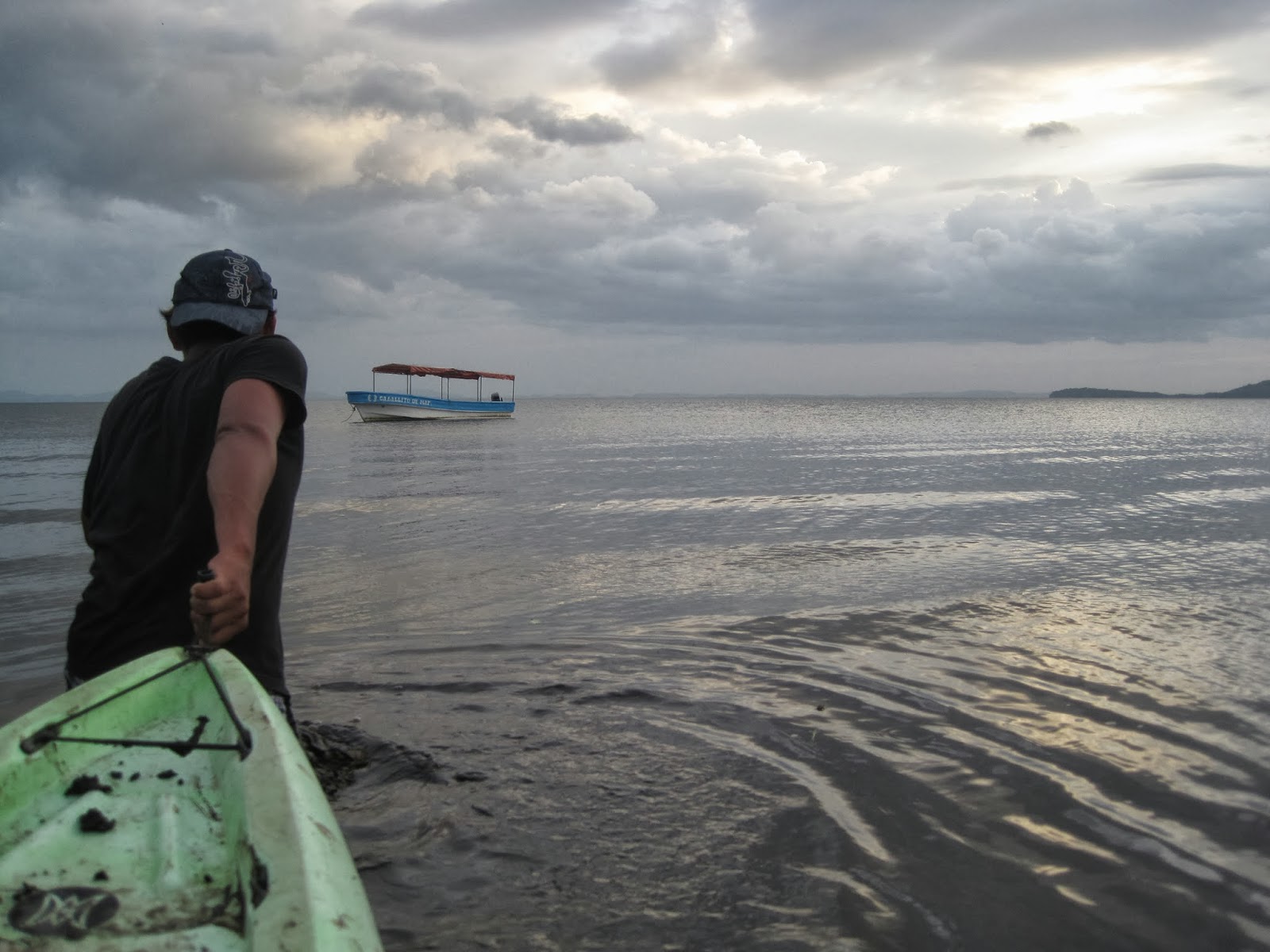
We also took a kayak tour on a river.  The river is a ways down the launch point in the lake, and for a variety of reasons, we were not up to kayaking on the strong waters of Lake Nicaragua, so instead rented a motor boat to pull the kayaks and take us close to the river.  The waters were pretty low due to a slow start to the rains, so we had to hike for about 10 mins to get to the river, where a father and two young children were pulling our kayaks from the boat, through the mud, to reach us.  This was truly a new type of child labor that I had not experienced previously, but one that was definitely hazardous to these kids.  Despite this, we got in our kayaks and toured down the river, getting stuck in the mud/low waters fairly frequently, but seeing lots of gorgeous birds and scenery.  They had caimans but we didn't see any unfortunately.  While it was lovely, it was a bit stressful with the mud-sticking and Isabel in front of me trying to steer and wanting off.  Overall, she did a great job though.   
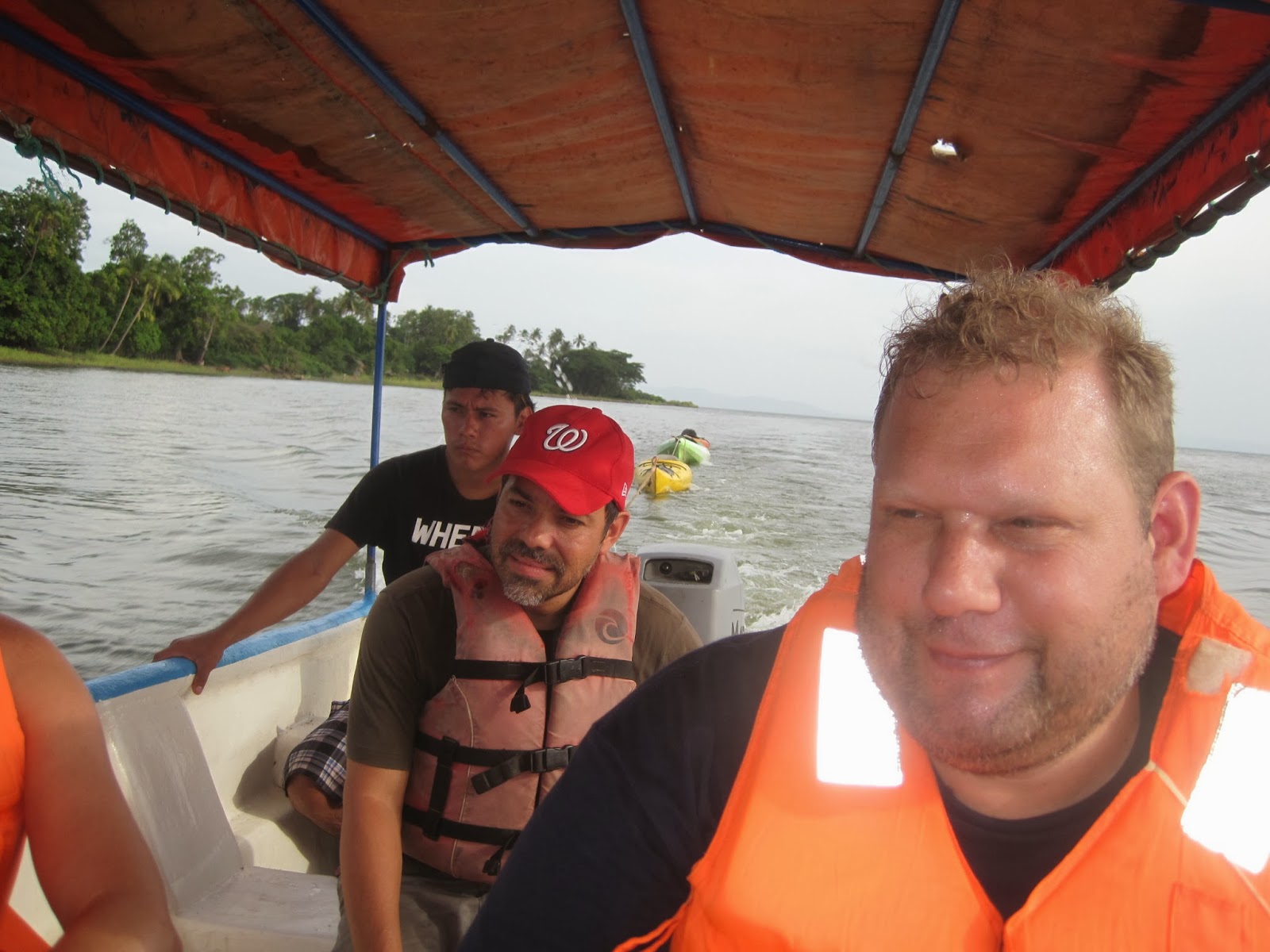
Pulling the kayaks out to the river.

The poor kids that had to haul our kayaks through the mud and plants.

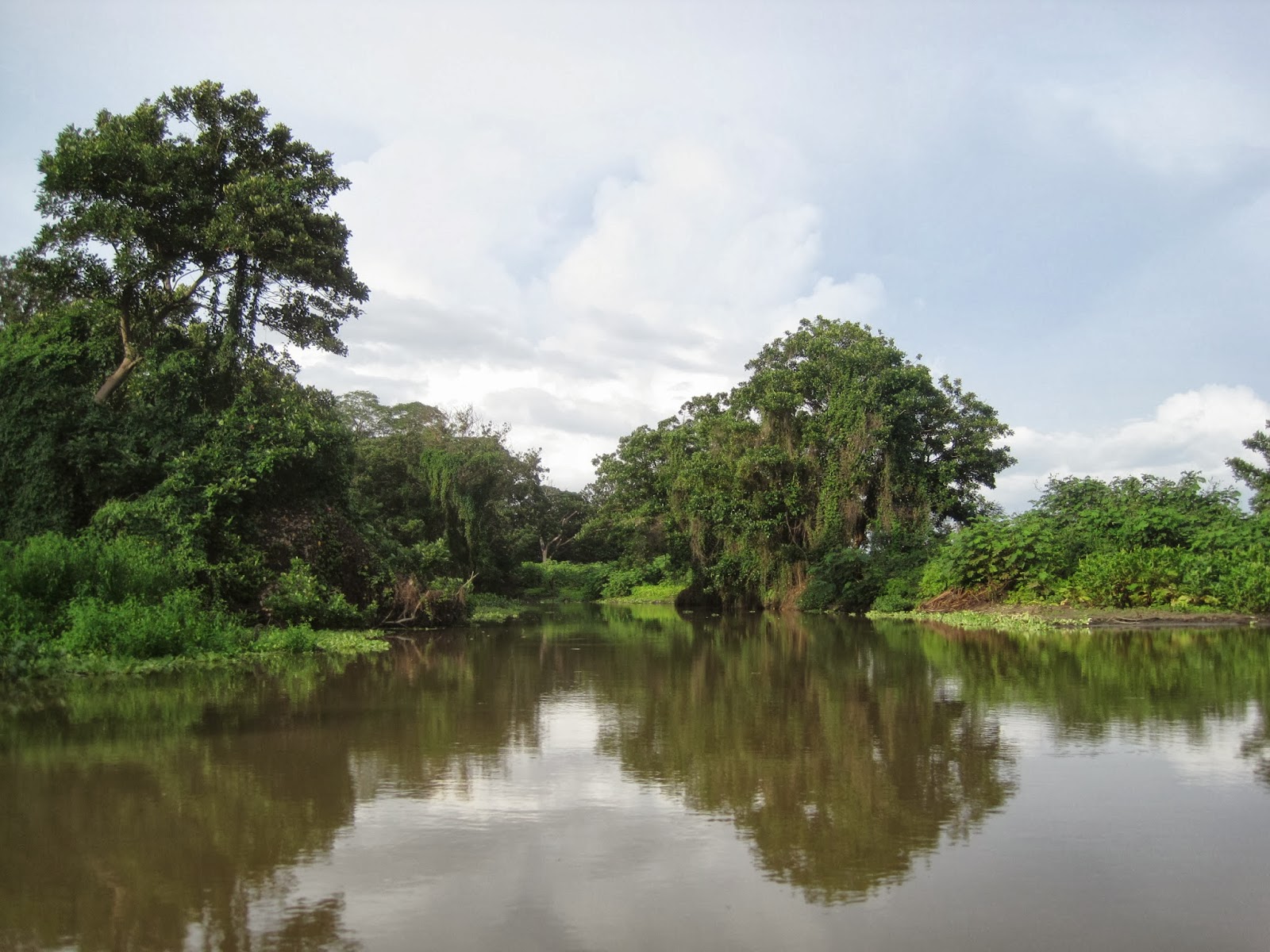
The river

Being hauled back out to the boat on the lake after our kayak tour.

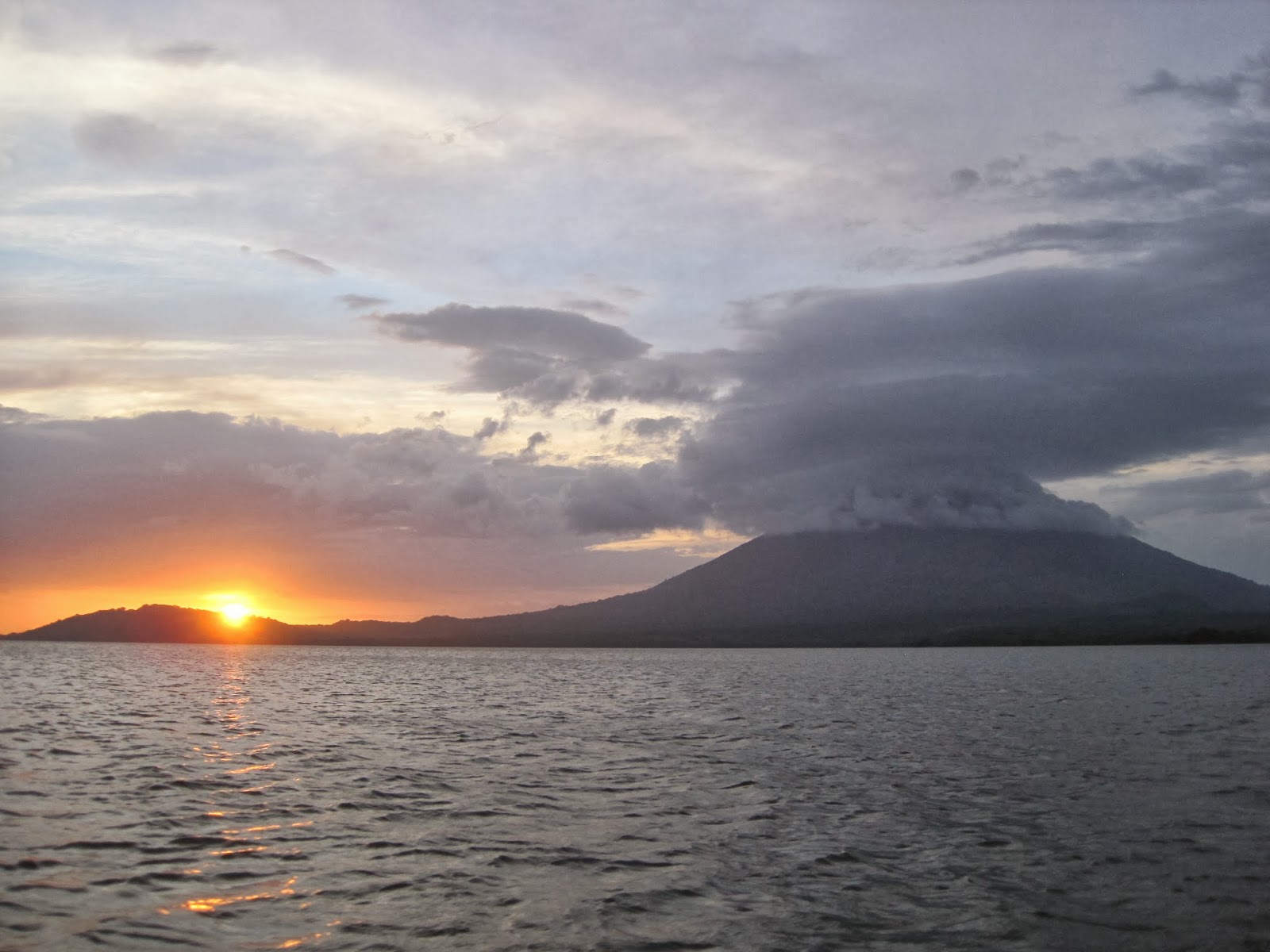
A view of Concepcion on the boat ride back to our car after kayaking. 
One other interesting thing about the island is that the only main road runs right through the middle of its one airstrip.  There were no planes when we were there (I don't think the airport is open yet, just private flights coming in), so we aren't sure how it works.  We drove right through the runway and assume that if a plane is landing or taking off that they would block the road.  It was kinda crazy to drive across it.


 After two short days, we headed back to Granada on the ferry.  I really hope we have the opportunity to visit again before leaving.  It was truly a magical place.
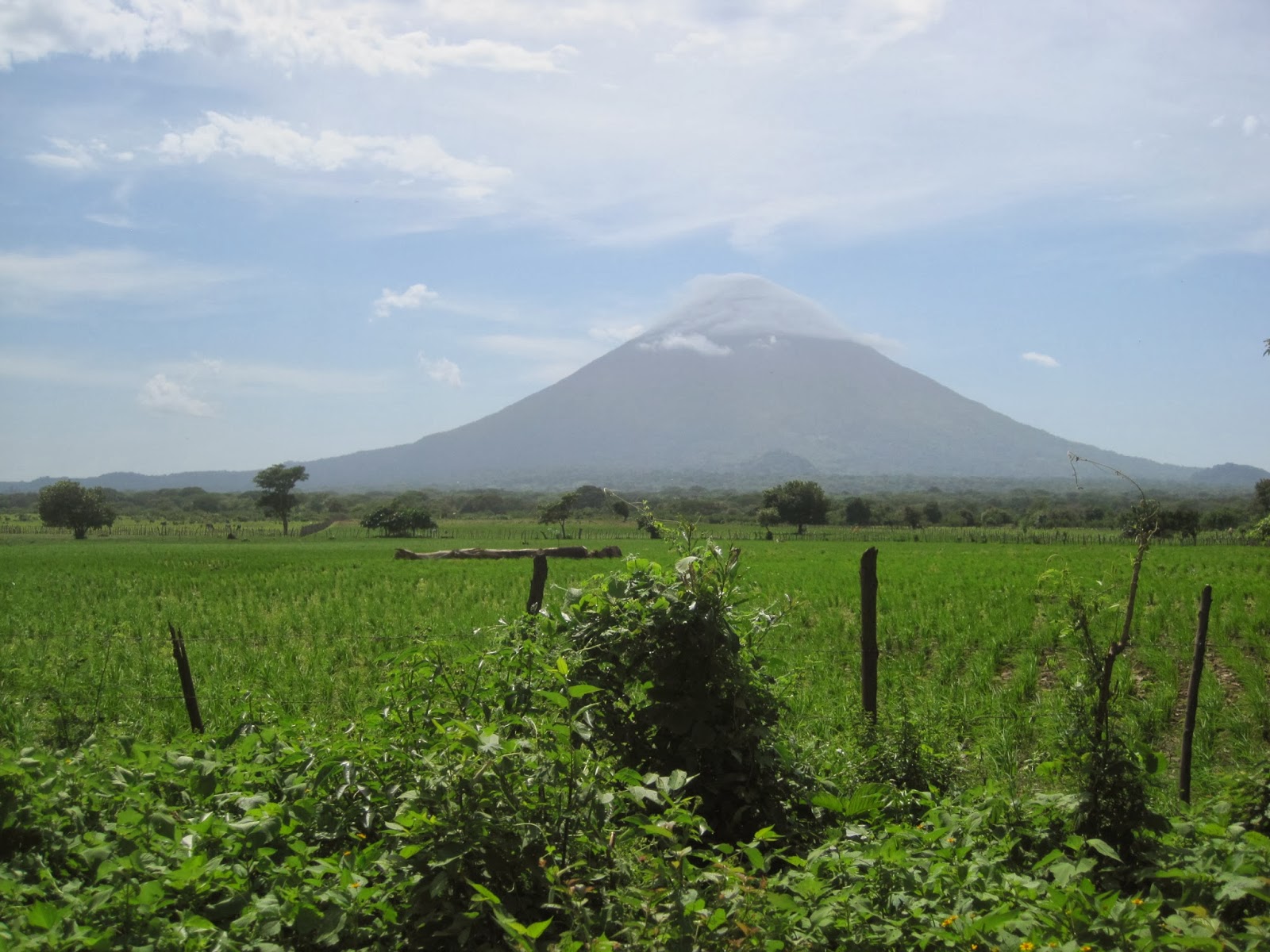
One final photo of the beautiful volcano.


Tuesday, August 27, 2013

Educational Coup d'etat

Last Friday at Isabel's private international school, a splinter group of the founding parents staged an "educational coup d'état" and took over the administration and management of the school. I've been debating whether to write a post on this or not, but given the absurdity and surreal nature of what we've been experiencing, finally decided I couldn't keep it to myself.

First and foremost, all of the children are safe and it was a peaceful take over (depending on who you talk to). However, last Friday, the group, who dissolved the existing Board of Directors and installed themselves, arrived at the school with security guards, took the keys, fired the Principal and Vice Principal, and told all of the other administrative and maintenance staff to leave (some say they were fired with threats, the Junta says they only fired the Principal and vice-Principal and gave the others "vacation days."). This was all done while the children were still at school in their classrooms. A note was sent home with children explaining that the Junta had legal ownership to the school lease and grounds, that they were changing "the administration" and that there would be a meeting in two weeks to explain everything. Two weeks. Children at school during the takeover. Insane. Surreal. Frightening. Sad. Parents are ANGRY.

Since that time, there have been two formal meetings called (one by each side in the dispute), a ton of emails circulated, numerous impromptu meetings, endless conversations and discussions, and lots of "mud-slinging". Granada is a very small town and we see all of these folks on a fairly regular basis. This is a big deal. The Junta that took over has some legitimate concerns about the way the school was being run, but unfortunately by orchestrating a "coup" during school hours and not communicating or developing their plans for how they will be able to successfully run the school, they are not earning the support of many parents. Financial management ability and viability, as well as absence of any Principal/Director, let alone a qualified one, are the major concerns at this moment for most (though there is also a group that feels very personally attacked and have a much longer list of concerns and want immediate reinstatement of the former Director).

The majority of parents voted to keep their kids home this week as some teachers were unwilling to teach, it was unclear how food and security would work etc., but in the end most have ended up sending their kids in anyway. For the moment it is stable (they've said they have money to run the school for a week--promising, no?). Isabel is going back tomorrow and we will wait to see what happens next week. Right now both sides are consulting lawyers and the Ministry of Education and are supposed to be working together to come to a resolution. Given the personalities involved and the way this was carried out, I'm doubtful, but hopeful, of a resolution.

Obviously there are a lot of details and background information that I'm not writing here and needless to say, there are a lot of adults acting like children with personal grudges. Unfortunately for most families, there is no other real option for quality non-political, non-Catholic schooling in Granada. Of all of the potential challenges we imagined when moving here, Isabel's school was not one of them. Hello Nicaragua!


Thursday, August 15, 2013

Dancing on la Calzada

I think we've mentioned before that the main strip of restaurants and bars geared towards the tourists is called "la Calzada."  Its a cobblestone road, lined with bars and restaurants for several blocks, and is closed to cars in the evenings.  There are a number of vendors selling a range of things both on tables and on foot (hammocks, jewelry, cashews, pottery etc.), a fair number of children begging or selling items (yes, child labor is very much an issue here), and inventive entertainers performing a variety of acts.  On our budget, we cannot afford to go that often, and also for me, its a bit overwhelming, and even unpleasant sometimes with all of the tourists, as well as people constantly coming to your table to sell or ask for something.  Raul and I differ on this I think, but I much prefer quieter, "hole in the wall", "off the beaten path" type settings.  At any rate, its a major component of the Granada experience and thought we'd share some photos of some of the street performers dancing.  This youth group is a pretty decent set of dancers and in this harsh economy full of poverty, its great that they've come up with a productive way of earning money.   They all appear well above the legal working age, but its hard to know for sure!

Dancing "Thriller" (and yes, he's wearing a beanie cap and jeans in mid-90 degree heat)
 
 
Breakdancing

Gangnam Style

Riding bicycles...

Recently one of the employees of the property management company lent us a bicycle.  He said we can use it for free if we want to fix it up and make it "rideable", and then just give it back to him when we leave.  This was a great deal since even with all of the repairs we had to make, it was still much cheaper than buying a new one. 

Many of the people in Granada use bicycles as their main form of transportation (cheap and easy to maintain).  Often, you will see a whole family riding on one bike, including very young babies and toddlers.  They are very obviously taught from a young age how to sit and hold on, because they do not move or squirm around at all.  The passengers will sit on the support bar, or in the case of small children, sometimes stand on the bar, with the man usually cycling and steering the bike.  People and packages also sit on laps, or stand on rods coming out of the back wheel of the bike. Ever since arriving, Isabel has been asking us to ride on a bicycle like the Nicaraguan children do.  Well now she's able to!  When we first got here we probably would have been pretty reluctant to do this, but now we are much more relaxed about such things as child safety :^)  I however, have no desire to join them on the bike, and just got a bike of my own thanks to Raul's aunt.

Below are some pictures of their inaugural ride.  They go all over the place on the bike and Isabel loves it.  Its also great because many times she gets tired of walking and we have to deal with a lot of whining and complaining if we are out and about.  Now she gets transported around without having to exert herself at all.

You can see another family on bicycle behind them.

Looking quite stern for some reason... (and those are tattoos on her arms, not bites for once)

Wednesday, August 7, 2013

Drug trafficking and volcanic eruption evacuation simulation

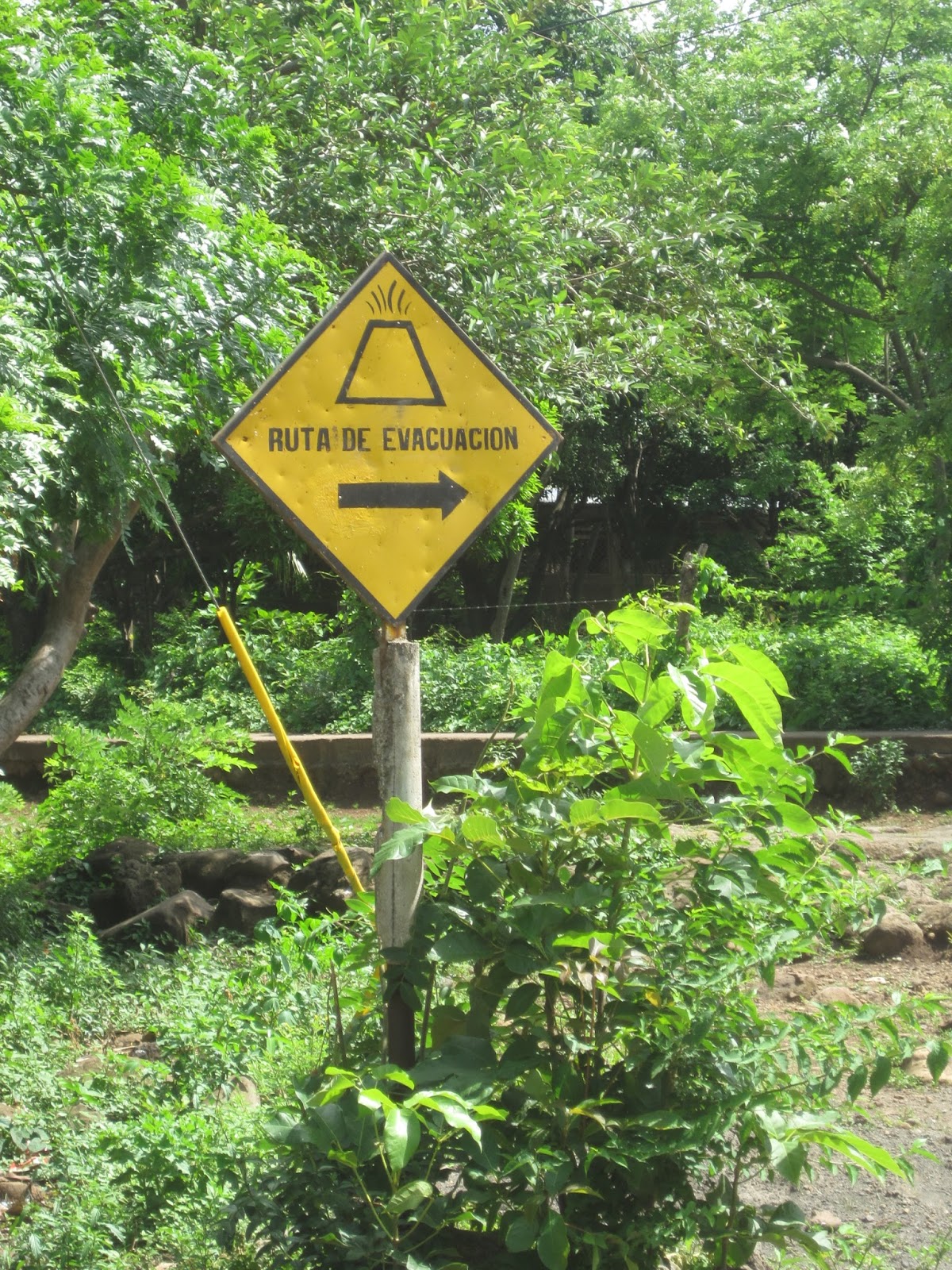
It seems like there is always something going on around here, but we never know about it until we stumble upon the event.  There are trucks driving around announcing upcoming events, but if you don't hear it, you don't know and there are no other local news sources.  At any rate, Raul and I decided to walk down to the lake this morning before it got too hot.  Once we got to the promenade/main road leading to the lake, we saw military men with big guns, and noticed the road was blocked off.  They didn't stop us so we kept going and saw lots more people and military in front of the lake, including the Red Cross.  We asked someone what was going on and they told us they were doing a simulation of two things:  an evacuation of Ometepe Island in the case of a volcanic eruption (we recently visited Ometepe and I'll write about it soon.  They have two volcanos but only one is active I believe); and an apprehension of drug-traffickers by the equivalent of the Navy or Coast Guard.  It sounded and looked interesting, so we found a shaded spot in front of the lake and settled in to see what happened.  Very unfortunately we did not have a camera so don't have any photos of the simulation.  However, I do have a photo of the sign for the volcano eruption evacuation route on Ometepe--I'd never seen such a sign so took a picture not knowing we'd actually witness part of a volcanic evacuation exercise.


The government had brought two large ferries to the Granada port that usually transport folks between the mainland and Ometepe island (you can see more about Ometepe here: Ometepe webpage ).  There is a ferry that actually goes from Granada to Ometepe that takes 4 hours, but there are other ports with shorter rides.  They also brought about 20 or so smaller boats that normally do tours in the lake. About 5 or 6 Navy or Coast Guard-type boats were also there, complete with well armed soldiers. A good deal of time was spent getting the volunteers/"evacuees" loaded on the various boats, and then they sent the boats far out in the lake to simulate their arrival in Granada after fleeing the volcano in Ometepe (remember this lake looks like the ocean because it is so big, so we could barely see them at one point).  On the shore, various tents were set up by the Red Cross, there was a line of emergency vehicles, and not sure who else was present.

While this was occurring, more and more spectators were arriving and it was getting hotter.  It took a long time to get the boats loaded, they went really far away, and then they seem to just stay out on the lake forever (this is my way of saying I was getting hot and tired of waiting for something to happen). We knew the most exciting/interesting part would be watching the arrival of the boats and the assistance to the pretend evacuees, but were discussing whether we should just leave.  Just as we were having this discussion, some real excitement began.  The military boats started speeding back towards the shore and we could hear distant gunshots.  There were two boats of "drug traffickers" and the military was trying to intercept and apprehend them.  There was no joking around--these guys were taking this very seriously and were going really fast and shooting a lot.  As they got close to the shore, there were gunshots from the shoreline also.  All of the boats landed roughly with the drug traffickers making a run for it and the military catching them, putting them on the ground, searching them, cuffing them and then arresting them.  Everyone on shore was cheering and running to get a better view.  We were told they were just shooting blanks (and I'm guessing its true or else a lot of folks would have been hurt), but it was still a little frightening, yet thrilling.   I definitely would not want to be around if it were a real drug chase.  Its actually interesting that they were doing this drill as we have not heard of cases of drugs coming in on the lake to Granada.  They definitely have drug issues on the Atlantic coast, but nothing to note here as far as I know.  However, its good that they are prepared if the situation arises :^)

We left after the drug bust as the boats started offloading people up the shore quite a ways from us.  While we didn't get to see how the eruption "evacuees" were rescued, we nonetheless had an unexpectedly interesting and exciting morning!

Monday, August 5, 2013

Masaya Volcano

We have visited Masaya Volcano on two different occasions.  It is quite different from Mombacho Volcano, that was the first volcano we visited (see earlier Mombacho post).  Mombacho is green, has lots of vegetation, with small fumaroles of smoke escaping the ground.  Masaya on the other hand is very active, has partial vegetation/partial lava rock, with constant large streams of sulfuric vapor coming out of the Santiago crater.  Unfortunately you cannot see the lava from the top looking down (sorry Curtis!), but there are night tours where you can hike through caves and see the red hot lava (a future adventure to be had without Isabel).  Even without the lava, its a really cool/slightly nerve-racking experience.  Unlike with Mombacho, you are literally able to drive your car up to the rim of the active crater and look over the edge.  You are required to wear a hard hat, park your vehicle rear-first so that you can make a quick get away if needed, and are advised not to stay more than 20 minutes because the sulfur vapors are hazardous.  The most recent eruption of fire and rocks was last April, and while no one was injured, it burned down a large area of trees and plants, damaged the road, and closed the area for some time.  So when you go up, you never know what might happen!

The first time we visited it was rainy, causing the vapors to be larger and more challenging.  It was also windy so the vapors were blowing right back into the parking lot.  We couldn't really see much of anything in the crater and had to leave after only a few minutes because we were all coughing and our lungs were burning.  However, one other really cool thing about this volcano is that there is a species of green parakeets that have adapted to the sulfur and have their nests inside the crater walls.  They leave in hordes in the morning and return in the evening.  Though we didn't get a picture, we were lucky enough to see a couple of large groups returning to their nests in the afternoon.


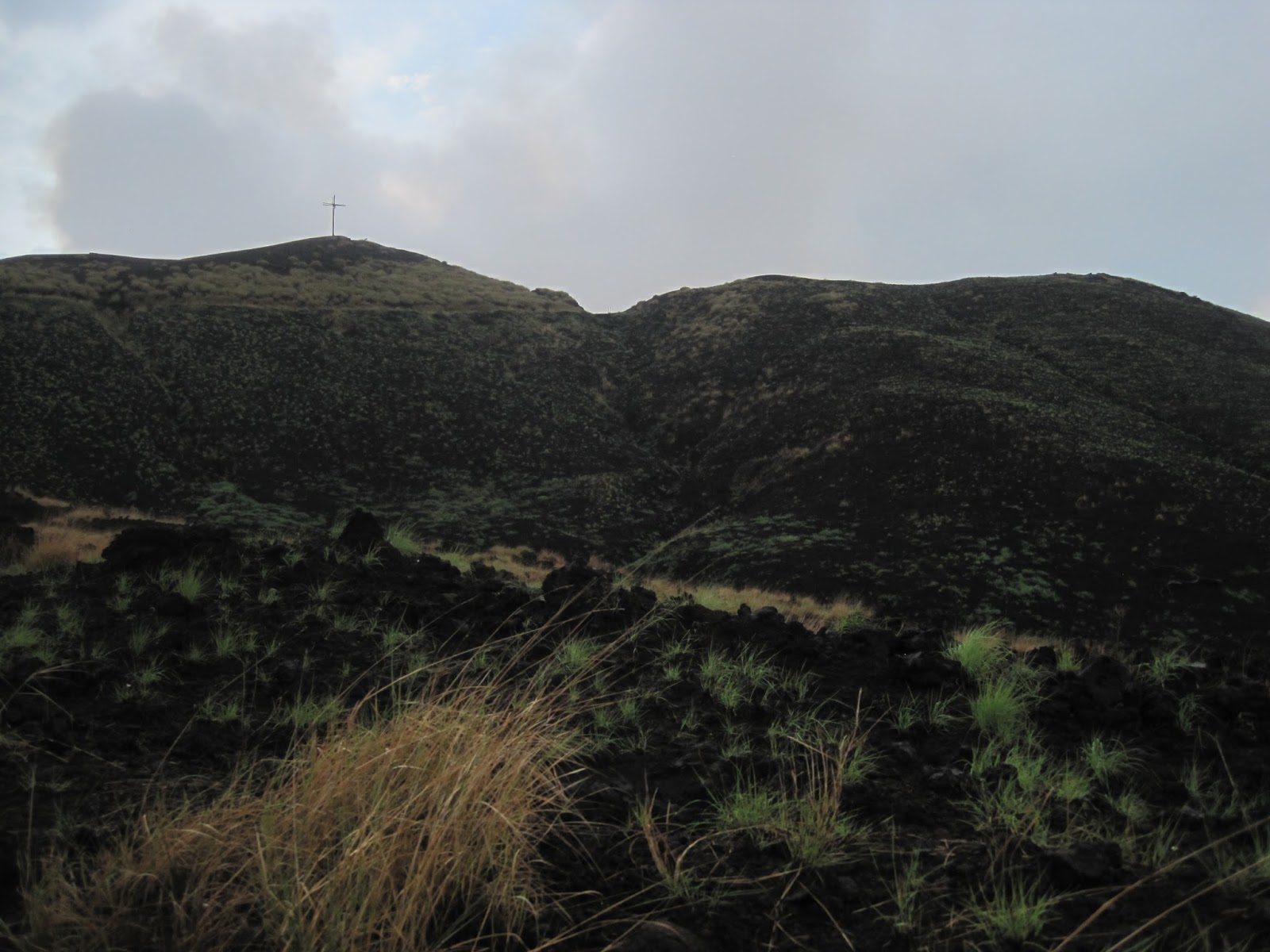
The black volcanic rock from past eruptions visible driving up to the crater.

Sulfur from the edge of Santiago crater.

Isabel and Raul in their hard hats.

The parking lot and road covered in the sulfur vapors.

I literally walked to the edge in a forbidden area to try to see more (Raul wanted to strangle me of course) 

Vapors expanding.

 
The second time we went to the top of the crater was during a visit from my friend Kelly and her family.  We had a gorgeous day with phenomenal views of the area surrounding the crater, as well as inside the crater a bit.  We were also able to breathe without pain, so enjoyed this visit much more than the first.

In front of Lake Masaya that is visible from the visitor's center on the way to the top.

Part of the same area/view that was covered in vapor in photo above; Lake Masaya in background.

View from the top.  Volcano in the distance is Mombotombo we believe.

Kelly using her sun hat as a germ barrier.